Enhancing the Built Environment of Old Colorado City
- buzzpopsites
- May 26
- 4 min read
Old Colorado City, a historic district located in Colorado Springs, is a vibrant area known for its rich history, charming architecture, and unique local businesses. As the city evolves, there is a growing need to enhance its built environment to preserve its character while accommodating modern needs. This blog post explores various strategies to improve the built environment of Old Colorado City, ensuring it remains a beloved destination for residents and visitors alike.
Understanding the Built Environment
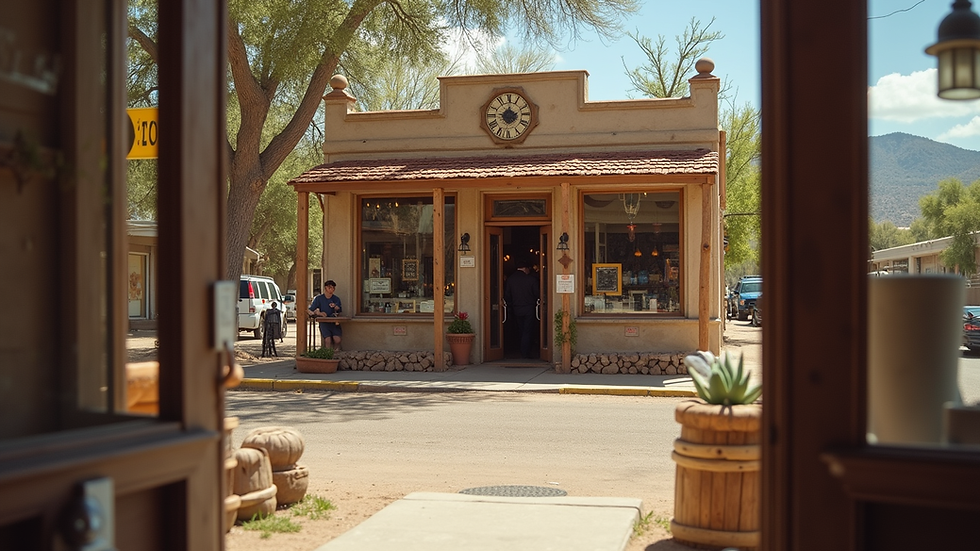
The built environment encompasses all human-made structures and spaces, including buildings, parks, and infrastructure. In Old Colorado City, the built environment is characterized by its historic buildings, narrow streets, and pedestrian-friendly layout. Enhancing this environment involves balancing preservation with innovation, ensuring that the area remains functional and appealing.
The Importance of Preservation
Preservation is crucial in maintaining the historical integrity of Old Colorado City. Many buildings date back to the late 19th century, showcasing architectural styles that reflect the area's history. Preserving these structures not only honors the past but also attracts tourists who appreciate historical significance.
Historical Significance: Buildings like the Old Colorado City Hall and the Colorado City Mercantile are not just structures; they tell the story of the area’s development.
Cultural Heritage: Preserving the built environment helps maintain the cultural identity of the community, fostering pride among residents.
Strategies for Enhancing the Built Environment
To enhance the built environment of Old Colorado City, several strategies can be implemented. These strategies focus on improving aesthetics, functionality, and sustainability while respecting the historical context.
1. Revitalizing Public Spaces
Public spaces play a vital role in community engagement. Revitalizing parks and plazas can create inviting areas for social interaction and events.
Green Spaces: Incorporating more greenery through parks and community gardens can enhance the visual appeal and provide recreational opportunities.
Community Events: Hosting farmers' markets, art fairs, and outdoor concerts can draw people to public spaces, fostering a sense of community.
2. Improving Walkability
Old Colorado City is known for its walkable streets, but there is always room for improvement. Enhancing walkability can encourage more foot traffic and reduce reliance on vehicles.
Wider Sidewalks: Expanding sidewalks can accommodate more pedestrians and outdoor dining, creating a lively atmosphere.
Crosswalks and Signage: Installing clear crosswalks and pedestrian signage can improve safety and navigation for visitors.
3. Supporting Local Businesses
Local businesses are the lifeblood of Old Colorado City. Supporting them through thoughtful planning can enhance the built environment and stimulate the local economy.
Mixed-Use Developments: Encouraging mixed-use developments can create vibrant spaces where people can live, work, and shop, reducing the need for long commutes.
Business Incentives: Offering incentives for local businesses to improve their storefronts can enhance the overall aesthetic of the area.
4. Incorporating Sustainable Practices
Sustainability is increasingly important in urban planning. Incorporating eco-friendly practices can enhance the built environment while benefiting the community and the planet.
Green Building Standards: Encouraging the use of sustainable materials and energy-efficient designs in new constructions can reduce the environmental impact.
Renewable Energy: Promoting the use of solar panels and other renewable energy sources can help make Old Colorado City a leader in sustainability.
5. Engaging the Community
Community engagement is essential for successful enhancements to the built environment. Involving residents in the planning process ensures that changes reflect their needs and desires.
Public Workshops: Hosting workshops and forums can gather input from residents, allowing them to voice their opinions on proposed changes.
Feedback Mechanisms: Implementing feedback mechanisms, such as surveys, can help city planners understand community priorities.

Case Studies of Successful Enhancements
Examining successful case studies can provide valuable insights into effective strategies for enhancing the built environment. Here are a few examples from other cities that have successfully revitalized their historic districts.
Example 1: The Pearl District, Portland
The Pearl District in Portland, Oregon, transformed from an industrial area into a vibrant neighborhood. Key strategies included:
Mixed-Use Development: The area features a mix of residential, commercial, and cultural spaces, creating a lively atmosphere.
Public Art: Incorporating public art installations has enhanced the aesthetic appeal and fostered community pride.
Example 2: The Historic District, Savannah
Savannah, Georgia, is known for its well-preserved historic district. Strategies that contributed to its success include:
Pedestrian-Friendly Design: The city prioritizes walkability, with wide sidewalks and ample green spaces.
Community Involvement: Local organizations actively engage residents in preservation efforts, ensuring that changes reflect community values.
Challenges to Consider
While enhancing the built environment of Old Colorado City presents numerous opportunities, several challenges must be addressed.
1. Balancing Preservation and Development
One of the primary challenges is finding the right balance between preserving historic structures and accommodating new developments. Striking this balance requires careful planning and community input.
2. Funding and Resources
Securing funding for enhancement projects can be challenging. Exploring grants, partnerships, and community fundraising can help overcome financial barriers.
3. Navigating Regulations
Zoning laws and building codes can complicate enhancement efforts. Collaborating with local government and planning agencies can help navigate these regulations effectively.
The Role of Technology in Enhancing the Built Environment
Technology can play a significant role in enhancing the built environment. From smart city initiatives to innovative design tools, technology can improve efficiency and sustainability.
Smart City Initiatives
Implementing smart city technologies can enhance the quality of life for residents. Examples include:
Smart Lighting: Installing energy-efficient streetlights that adjust based on pedestrian activity can reduce energy consumption.
Traffic Management Systems: Utilizing technology to monitor and manage traffic flow can improve safety and reduce congestion.
Innovative Design Tools
Architects and planners can leverage technology to create more effective designs. Tools such as Building Information Modeling (BIM) allow for better visualization and planning of projects.
Conclusion
Enhancing the built environment of Old Colorado City is a multifaceted endeavor that requires careful consideration of preservation, community needs, and modern demands. By revitalizing public spaces, improving walkability, supporting local businesses, incorporating sustainable practices, and engaging the community, Old Colorado City can continue to thrive as a historic yet modern destination.
As we move forward, it is essential to remember that the built environment is not just about structures; it is about the people who inhabit and interact with these spaces. By prioritizing community involvement and thoughtful planning, we can ensure that Old Colorado City remains a cherished place for generations to come.
Call to Action
If you are a resident or visitor of Old Colorado City, consider getting involved in local planning efforts. Attend community meetings, share your ideas, and support local businesses. Together, we can enhance the built environment and preserve the unique charm of this historic district.

Comments